The home services market’s about to blow up.
It’s set to grow by over $1 trillion between now and 2029. That’s more than 10% growth every year.

The massive jump’s coming from packed schedules, older houses, and more people happy to pay to save time.
If you’re thinking about starting something in this space, there’s still loads of room.
But only if you pick the right service.
Let’s look at which home services are most in demand right now and why they continue to pay well.
What home services are most in demand?
#1 — Plumbing
Plumbing tops the list of in-demand home services for one big reason: when something goes wrong, you can’t wait.
A burst pipe, clogged toilet, or leaking water heater turns into a must-fix-now situation.
That’s why plumbing stays strong even when the economy doesn’t.
In 2024, plumbing in the U.S. alone was worth $158.6 billion.
And it’s not slowing down because cities keep growing and old pipes keep breaking.
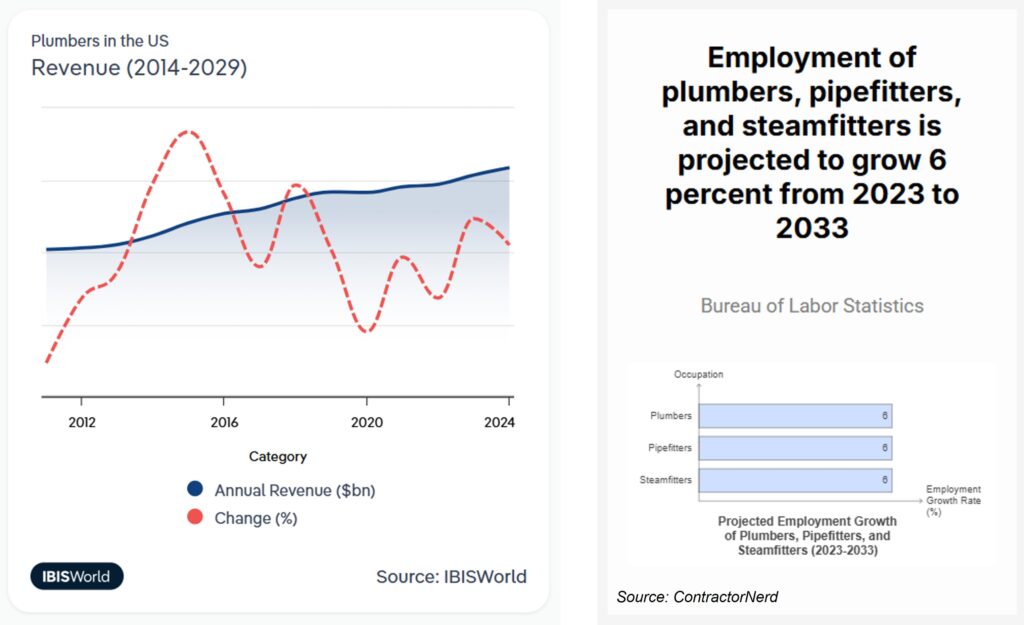
Most people don’t try to fix plumbing issues themselves because the job needs special tools and a certain level of skill.
One small mistake can lead to serious water damage.
In a lot of places, local rules even say plumbing work has to be done by someone who’s licenced.
Eco-friendly upgrades are also becoming more popular, like low-flow toilets and water-saving fixtures.
These aren’t always easy to install on your own, so more people are turning to professionals.
That’s why the need for plumbing services comes from all over.
On top of that, insurance companies often want repairs done by licenced plumbers, especially when it comes to water damage.
On the business side, plumbers in the U.S. usually make anywhere from $50,000 to $100,000 or more per year, depending on where they work and what kind of jobs they take on.
Starting your own plumbing business usually takes around $10,000 to $30,000. This covers the basics like tools, a work vehicle, insurance, and the right licences.
But more than anything, what really helps plumbers grow their business is showing up when they say they will, doing solid work, and treating customers right.
That’s what gets people talking and keeps the phone ringing.
#2 — Electrician services
Electricians are in high demand right now, and it’s not slowing down anytime soon.
People are adding smart devices, setting up solar panels, and building new homes like crazy.
All of that needs someone who actually knows how to wire things safely.
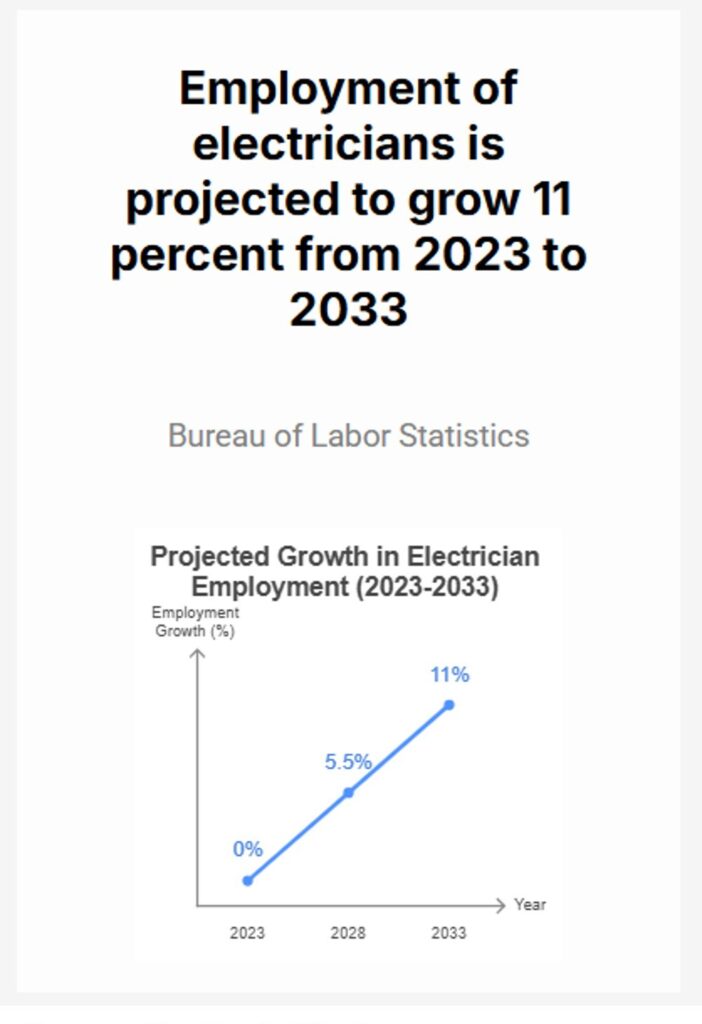
Between 2023 and 2033, electrician jobs in the U.S. are expected to grow by 11%.
That’s faster than most other trades, and it’s not showing any signs of slowing down.
The big reason people hire electricians is safety. One small wiring mistake can lead to fires, outages, or expensive damage.
And because building codes are always changing, most homeowners don’t want to risk doing electrical work themselves.
In many cases, they’re legally not allowed to. That’s why electricians are necessary.
This kind of work is needed by all sorts of people: homeowners upgrading their panels, landlords fixing faulty wiring in rentals, and builders working on new projects.
And with more homes adding tech like EV chargers or solar battery storage, the jobs are getting more complex.
Electricians who run their own business usually make between $60,000 and $150,000 a year.
But, of course, it really depends on how many jobs they take and where they work.
If you’re thinking of starting out, you’ll need around $5,000 to $25,000 to get going.
That covers things like tools, a work van, insurance, and licences. You’ll also need proper safety training and a solid grip on electrical codes.
Offering emergency callouts or fast response times can help you get more jobs and keep busy.
#3 — HVAC repair
Heating and cooling systems always seem to break at the worst times.
It’s either boiling hot or freezing cold when it happens.
That’s why HVAC repair services are always busy.
People depend on heating and cooling to stay comfortable all year, especially in the U.S.
And the U.S. HVAC market’s growing fast, too.
It’s expected to hit $21.16 billion in 2025 and grow past $29 billion by 2030.
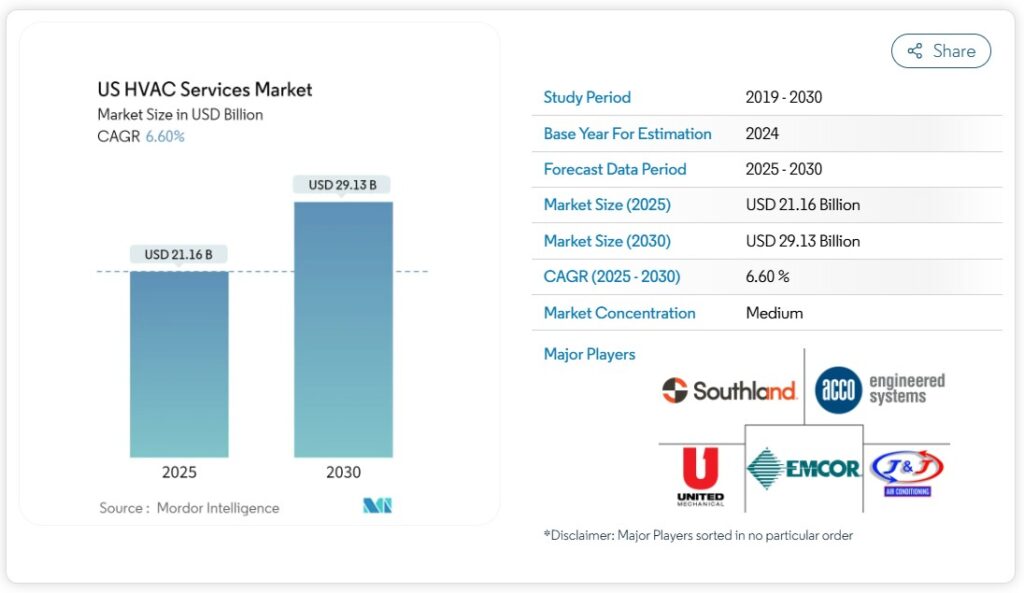
More people are upgrading their heating and cooling systems these days. Hotter weather, older setups, and the need to save energy are pushing it hard.
That’s why regular maintenance is picking up, too.
And let’s be real, HVAC isn’t a DIY job for most people.
It’s tricky stuff, with wiring, refrigerants, and ductwork all tangled together.
No wonder HVAC professionals are staying busy, and the market’s growing fast.
Solo technicians in the US often make around $58,782 a year, while small business owners (1-3 employees) can bring in well between $80,000 to $120,000 annually.
Starting an HVAC repair business usually takes between $10,000 and $50,000.
But, that depends on the equipment you need, your work vehicle, and any certifications or licences required in your area.
#4 — Roof repair
Roof repair is one of those services people don’t think about… until they really need it.
When a roof starts leaking or gets damaged during a storm, it can lead to a whole mess of problems inside the house.
Water damage, mould, ruined walls… none of it’s cheap to fix. That’s why when something goes wrong up there, people call fast.
Roofs also take a beating year-round. Snow, rain, wind, and heat all add up.
Even in areas with milder weather, materials break down over time.
So between older homes needing work and seasonal storms rolling through, there’s always a steady stream of jobs.
Also, the industry’s huge for a reason.
Roof problems don’t just go away, and ignoring them usually makes things worse.
Most of the time, it’s homeowners or landlords picking up the phone.
And in a lot of cases, insurance is involved, especially after a storm.
But here’s the thing: insurance companies usually won’t cover the damage unless the work is done by a licenced roofer.
So people aren’t just hiring roofers because it’s easier.
They kind of have to.
Also, roof work isn’t something you can easily DIY.
It’s risky, it’s technical, and if you mess it up, you’ll probably just have to call a contractor anyway.
So, most people skip the hassle and bring someone in right away.
If you’re thinking about starting a roofing business, the earning potential’s solid.
You can expect to earn somewhere between $75,000 and $200,000 a year depending on how much work you take on.
Getting started usually costs between $15,000 and $50,000.
That’s mainly for ladders, safety gear, tools, insurance, and paying a crew.
One smart way to get leads is to offer free inspections.
People like knowing what shape their roof is in, especially after a storm.
And once you fix one house on a street, chances are the neighbours will be calling next.
#5 — House cleaning services
If you’re looking for a business that’s simple to start and easy to grow, house cleaning is one of the best places to begin.
It doesn’t take much to get going. Plus, the overhead is low and the earning potential’s surprisingly high. In fact, data from Thumbtack shows that house cleaning consistently ranks as one of the top three most booked services in the U.S.
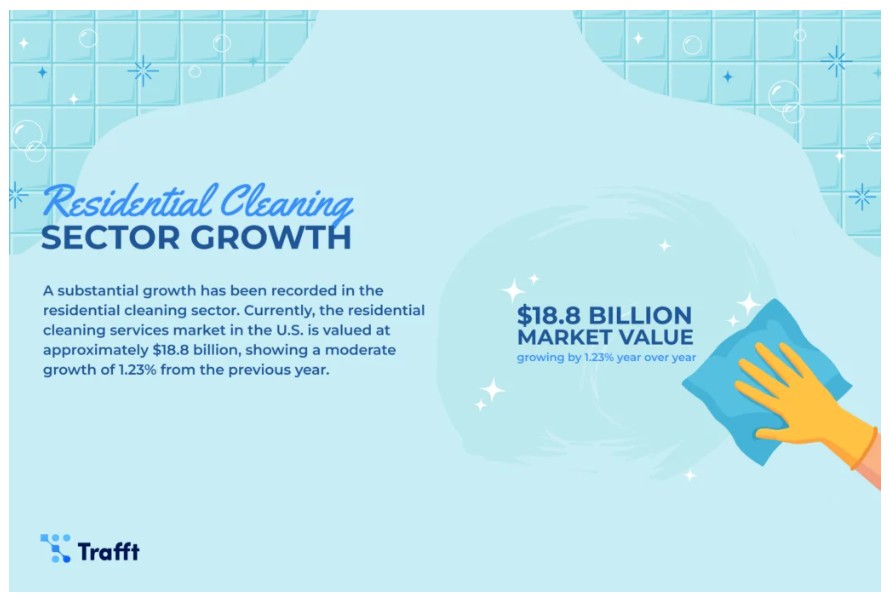
The demand’s steady because homes don’t stay clean for long, especially in busy households.
Weekly or biweekly cleaning appointments are popular with working families, pet owners, and anyone juggling a full schedule.
Deep cleans are also in demand, especially before holidays, after renovations, or when tenants move out. These one-off jobs often pay even better.
When it comes to rates, they depend on where you are.
In small towns, charging $25 an hour is common. But in major cities, you can charge as high as $60 or more per hour.
You can also offer extras like cleaning out the fridge, scrubbing inside windows, or removing pet hair.
They don’t take much more time, but they can bump up your earnings fast.
Some cleaners even move into light commercial jobs to get more steady clients.
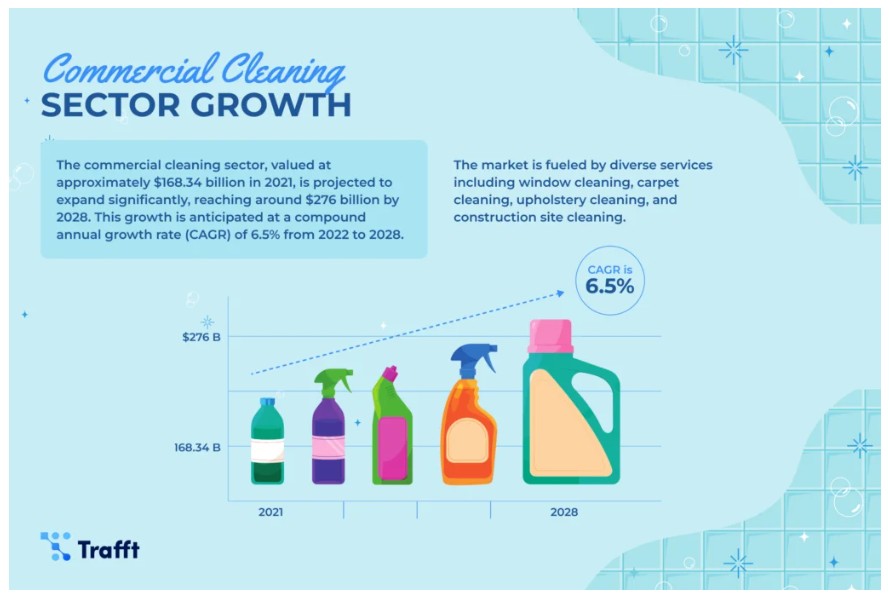
Starting a cleaning business doesn’t take much.
All you need are some basic supplies, reliable transport, and a commitment to doing good work.
If you’re dependable and thorough, it’s easy to build a regular client list.
Word spreads quickly when people trust you in their homes. That’s the kind of reputation that keeps the bookings coming.
#6 — Lawn care and landscaping services
Once the grass starts growing, so does the need for lawn care.
It’s one of those home services that people just don’t want to deal with themselves, especially when life gets busy or the weather turns hot.
That’s why the lawn care industry has been growing steadily for years. It’s expected to hit $184.1 billion by 2025.
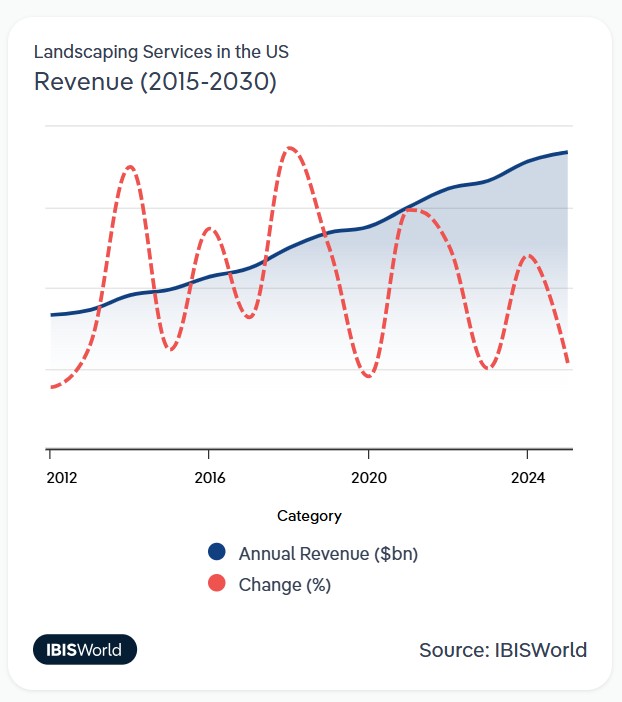
Most lawn care businesses start with mowing… but this is just the entry point.
There’s a whole list of extras you can offer: edging, weed control, mulch refreshes, garden bed cleanups, and fertilising.
In the fall, leaf removal becomes the big ask.
And if you’re in a colder area, snow shovelling during winter can help you stay busy all year long.
One of the best parts about this line of work is how often people come back.
If someone hires you to mow once, chances are they’ll want it done weekly or every other week. That means steady, repeat income.
How much you earn depends on the size of the yard and the neighbourhood.
Smaller lawns might bring in $30 a visit, while bigger ones can go for $70 or more.
In wealthier areas, people often want bundled services and more attention to detail.
This usually means they’re willing to pay a premium for convenience and quality.
Starting a lawn care business isn’t super cheap, but it’s manageable.
A good used mower, trimmer, and blower will usually cost you between $500 and $1,000.
You don’t have to buy everything at once, either, because you can start small and upgrade your gear as you get more jobs.
Keeping your tools clean and working right is a big deal, too. It helps your equipment last longer and makes you look way more professional when you show up.
#7 — Pest control services
Pest control is one of those home services that never really slows down.
And lately, it’s only getting busier. Warmer weather patterns and longer summers are giving bugs more time to thrive.
Roaches, ants, termites, and mosquitoes are showing up earlier in the year.
Then, they stick around well into the fall, especially in areas that used to have a clearer “off-season”.
That’s what makes pest control such a strong business.
Most people sign up for quarterly treatments, which means steady, repeat money you can count on.
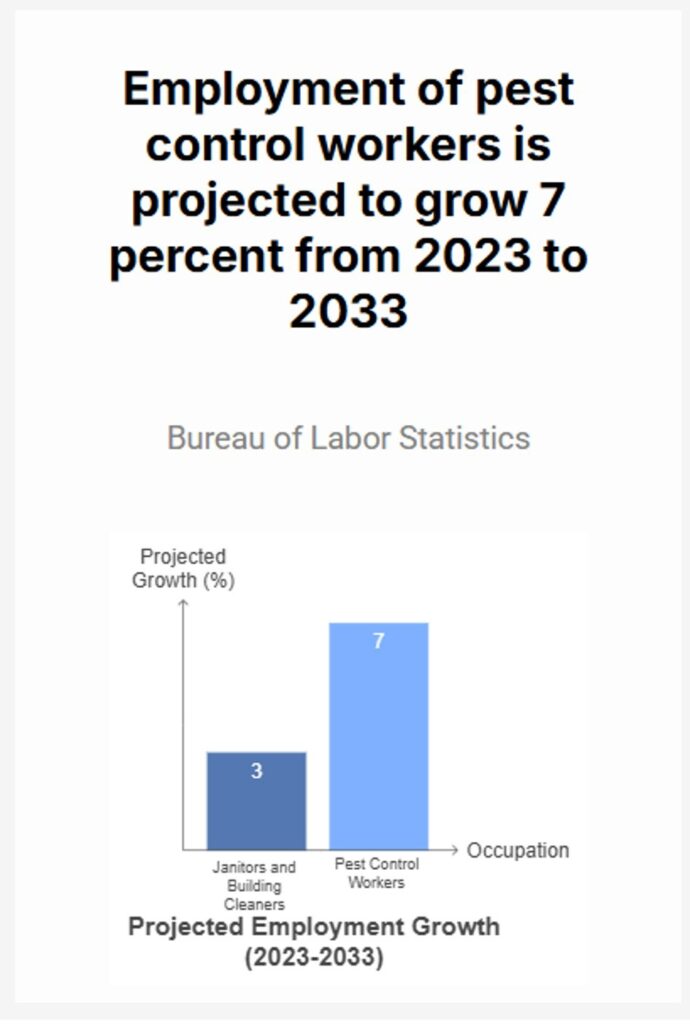
Jobs in pest control are expected to grow by 7% between 2023 and 2033 in the U.S.
That’s a pretty strong sign that demand isn’t going anywhere.
Also, earnings can add up quickly. A single visit usually brings in $75 to $150.
And with quarterly plans, that number multiplies fast.
Just one apartment complex could bring in over $5,000+ a year in regular contracts.
Many pest control businesses build their entire model around these kinds of long-term clients.
Getting started takes some equipment and a bit of upfront investment. You’ll need things like traps, spray tanks, protective suits, and gloves.
In most areas, training and licencing are needed, especially if you’re using chemicals.
On average, startup costs come in at between $10,000 to $50,000.
But once you’ve got the basics, the business can scale fast, especially if you build strong relationships with landlords, HOAs, or property managers who need reliable, ongoing service.
#8 — Handyman services
Handyman services have become one of the most in-demand home services.
Homeowners just don’t have the time, tools, or know-how to handle repairs themselves.
Even simple tasks like patching drywall, fixing a leaky faucet, hanging shelves, or mounting a TV can feel like a hassle.
People want the job done fast and done right, without spending hours watching tutorials or running back and forth to the hardware store.
And, with more dual-income households and more people working remotely, there’s less time to handle repairs on weekends.
At the same time, home improvement shows and online inspiration have raised the bar.
People want their spaces to look polished and well-maintained. That’s pushed a lot of homeowners to seek out help for even the small stuff.
Fortunately for you, most homeowners would rather hire someone than risk messing things up.
People are happy to pay for same-day help from someone they trust.
Better yet, once someone finds a reliable fixer, they’ll keep calling back for other things.
Word-of-mouth also spreads fast, especially in neighbourhoods or apartment buildings where everyone has the same list of minor repairs piling up.
As a business, the startup costs are low. Overall startup cost is between $2,000 to $6,000, which covers tools, licencing, insurance, and marketing.
Hourly rates usually fall between $50 and $80 for self-empoyed, and $75 to $125 for licenced handymen.
But in cities where skilled handymen are hard to find, rates can be even higher.
To make the most of your time, it helps to bundle jobs into half-day or full-day sessions.
You can ask clients to list everything they need done in one visit. That way, you save on travel time and boost your earnings per job.
#9 — Home renovation and remodelling services
Home renovation and remodelling have always been popular.
But right now, they’re more in demand than ever.
People want homes that look great and work for the way they live.
Also, a lot of houses are simply getting older and need updates. Some need new layouts, modern finishes, or better insulation.
Others need upgrades to keep up with smart tech, energy-saving systems, or accessibility features.
People are redoing kitchens, opening up spaces, and upgrading bathrooms to make the most of their homes.
That steady demand shows up in the numbers, too.
The U.S. residential remodelling market’s expected to grow by 4.6% each year from 2024 through 2030.
Globally, the industry continues to climb, thanks to rising home values and a wave of buyers wanting to personalise their spaces.
And while the interest in renovations keeps growing, this isn’t something most people can do themselves.
Between permits, structural changes, coordinating trades, and keeping everything on schedule, it gets overwhelming fast.
That’s why so many people are happy to book someone who can handle the whole thing, from start to finish, and get it done right the first time.
So, if you’re thinking of starting a renovation business, the potential’s strong.
Small operations can bring in anywhere from $50,000 to over $150,000 a year, depending on the size and type of projects you take on.
Getting started usually costs between $10,000 and $50,000 to cover tools, permits, insurance, and hiring skilled help.
But beyond the gear, what really makes or breaks this business is trust. People want clear timelines, honest pricing, and no last-minute surprises.
If you can deliver on that, referrals will do a lot of the marketing for you.
#10 — Pressure washing services
Pressure washing is one of those home services people don’t think about… until they really need it.
Dirt, mould, algae, and stains build up fast on driveways, siding, decks, patios, and fences, especially after a wet winter or a dusty summer.
And most homeowners either don’t own a pressure washer or have no interest in renting one and figuring it out themselves.
That’s what makes this service so in demand. It’s fast, it’s satisfying to watch, and the results are instant.
This is exactly what people want when they’re prepping for guests, selling a house, or just trying to keep their place looking sharp.
Keeping surfaces clean can even help protect a property’s value.
Built-up grime can cause long-term damage or make a place look way worse than it is.
Spring through fall is the busiest time for pressure washing, especially in places that get a lot of rain or go through big weather changes.
A typical job can bring in anywhere from $55 to $600 per hour, depending on the surface and size.
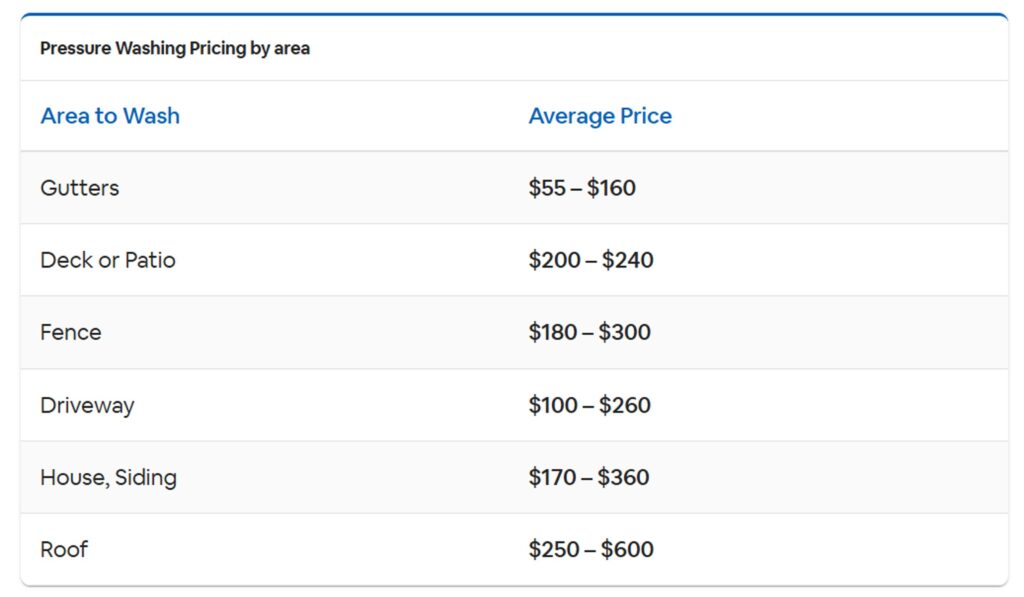
Even better, most pressure washing jobs take less than two hours to finish.
If you offer bundle packages, like full-house washes or pair it with window or gutter cleaning, you can boost your earnings and get more repeat clients.
Partnering with landscapers or painters for cross-referrals is also a smart way to keep your schedule full.
What’s good about this service is that getting started doesn’t take much.
A commercial-grade washer, hoses, nozzles, and possibly a trailer mount will run you around $1,000 to $2,000. You can even buy used gear can help keep startup costs low.
If you show up on time, do clean work, and post before-and-after photos, word-of-mouth spreads fast.
It’s the kind of business that can grow quickly with just a few satisfied clients in a neighbourhood.
Research your area, refine your offerings, and market smart
Every service we talked about is in demand and can make good money.
But that doesn’t mean every one of them will work where you live.
Pest control businesses might explode in humid states.
Meanwhile, HVAC repair might slow down a bit in cooler places.
That’s why research comes first.
Look at what people in your city actually need, not just what’s trending online.
Then, pick one service and focus on doing it well, instead of trying to offer everything at once.
The people who do best in home services aren’t always the cheapest or even the best at the job.
They’re just the ones who show up and do what they said they would. They make it easy for people to find them.
If you’re serious about it, make sure your business looks clear, your prices make sense, and you show real work people can trust.
If you’re going to spend your time and money on this, you might as well do it right.
And when you market, don’t waste time copying big companies’ marketing strategies.
Speak directly to the people in your town. Ask happy customers to refer you.
It’s simple, but most skip it. Don’t.
That’s how small businesses stay booked and grow fast.
And if you’re stuck, you can always find a home services marketing consultant to give you a hand.
Or you can try working with a home improvement marketing agency if you want some extra help.