Starting a home services business is a practical way to become a new business owner without a long ramp-up.
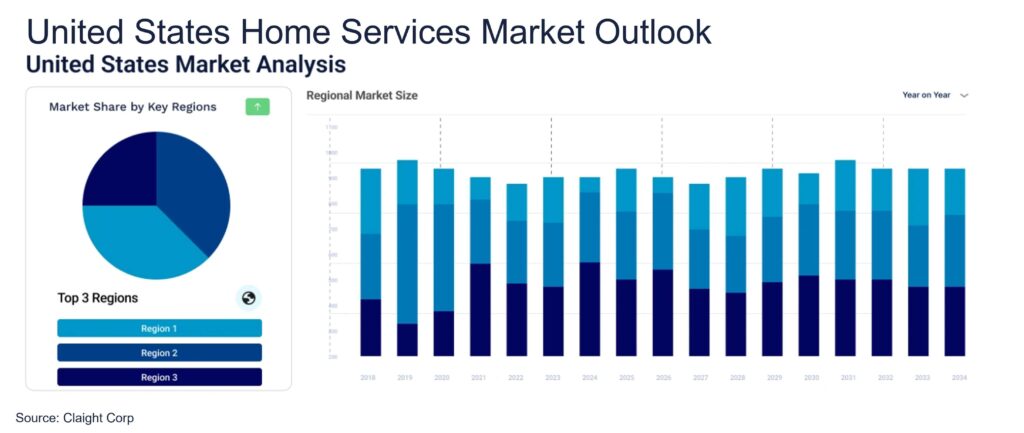
In the US alone, the home service industry market was worth about $90.63 billion in 2024. It’s expected to almost double by 2034.
Over in the UK, this service industry’s growing even faster — nearly 9% a year from 2025 to 2034.
Whether it’s house cleaning, landscaping, handyman work, or pest control business, the real trick is getting started and landing that first paying job.
This guide walks you through how to start your home services business step by step.
You’ll learn how to choose the right type of service, sort the legal stuff, set up your brand, price things properly, and find customers without wasting cash.If you’re looking to start a career and turn your skills into a proper business, let’s get into it.
How to start a home services business that doesn’t get lost in the crowd
Step 1 – Pick a service people already need and pay for
Some in-demand home service business ideas are money-makers all year.
Others are hit-or-miss, depending on where you live or what season it is.
According to ConstructionPlacements, these are the top 5 most profitable home service businesses to start:
- Home cleaning services – lots of households have two people working, so no one wants to scrub floors. If you’re thinking of offering eco-friendly stuff or deep cleans, it can also mean that you can charge more. In 2024, the home cleaning business in the US was worth about $18.8 billion. And with more people caring more about hygiene now, it’s only getting bigger.
- Landscaping and lawn care services – the landscaping industry was forecasted to reach $189.7 billion in 2029, which tells you there’s no shortage of demand
- Home renovation and remodeling – the US home renovation market was worth around $527 billion. Plus, home improvement’s still growing, with a steady 4.6% rise expected every year until 2030.
- HVAC installation and repair – the US HVAC market was worth $21.16 billion in 2025, and it’s expected to hit $29.13 billion by 2030. That’s a lot of demand for heating and cooling help. If you’re thinking of starting a home services business, this is one of the more stable ones.
- Plumbing services – plumbing has grown at 2.3% a year over the last five years. By 2024, it was worth over $158.6 billion. It’s not the flashiest job, but there’s steady work and strong demand.
Other home services that will work, too:
- Pressure washing business and pest control – people want their homes to look good and pest-free, no matter the season
- Handyman services – plenty of homeowners would rather pay someone to fix things than do it themselves
- Window and gutter cleaning – these services are pretty easy to start. Turns out, they’re also two of the most hated chores in America. This means that loads of people would rather just pay someone to do it. That someone can be you.

But before you jump in, check what’s already out there.
- Search Google Maps and Facebook groups. If every second business offers the same thing, competition might be too high. So, make sure to research the local businesses available in your area.
- Some neighbourhoods have gaps. One side of town might have plenty of cleaners while another has none. Find those openings to build your business.
- Think about startup costs. A power washing business needs expensive equipment. A dog waste removal service only needs gloves and bags.
Choose a type of business that balances demand, low startup costs, and room to stand out.
Step 2 – Sort out the legal stuff before you regret it
It’s tempting to dive in and deal with the legal stuff later.
But skipping it can crush your entrepreneur journey and get your business shut down before it even gets going.
Start by picking a business structure.
An LLC costs more upfront, but it protects your personal stuff if something goes wrong.
A sole proprietorship is cheaper and quicker, but if anything happens, it’s all on you.
Next, register your business name.
Don’t just assume it’s available.
Check online, as most states make it easy. Lock it in before someone else takes it.
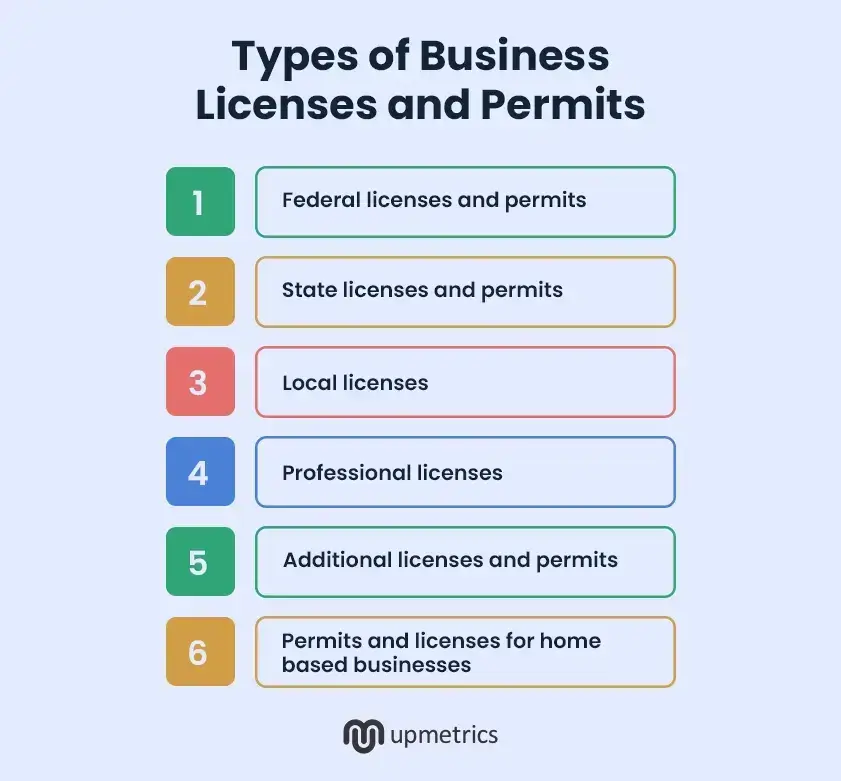
Then, look into how you can apply for licences and permits.
Some home care businesses that need chemicals or tools, like pest control, pressure washing, and lawn care, need official approval before they get certified.
Of course, it depends on your state or council.
Check your local rules and regulations to know what’s needed.
You’ll also need small business insurance. Even if you’re careful, things can go sideways.
Someone could break a window, damage a fence, or slip on a wet driveway.
General liability insurance covers you when something goes wrong on a job.
Sort out the legal matters early so you can avoid fines, lawsuits, and a whole lot of stress as you run your business.
Step 3 – Set up branding that’s clear and quick to recognise
Branding gets hyped up way too much.
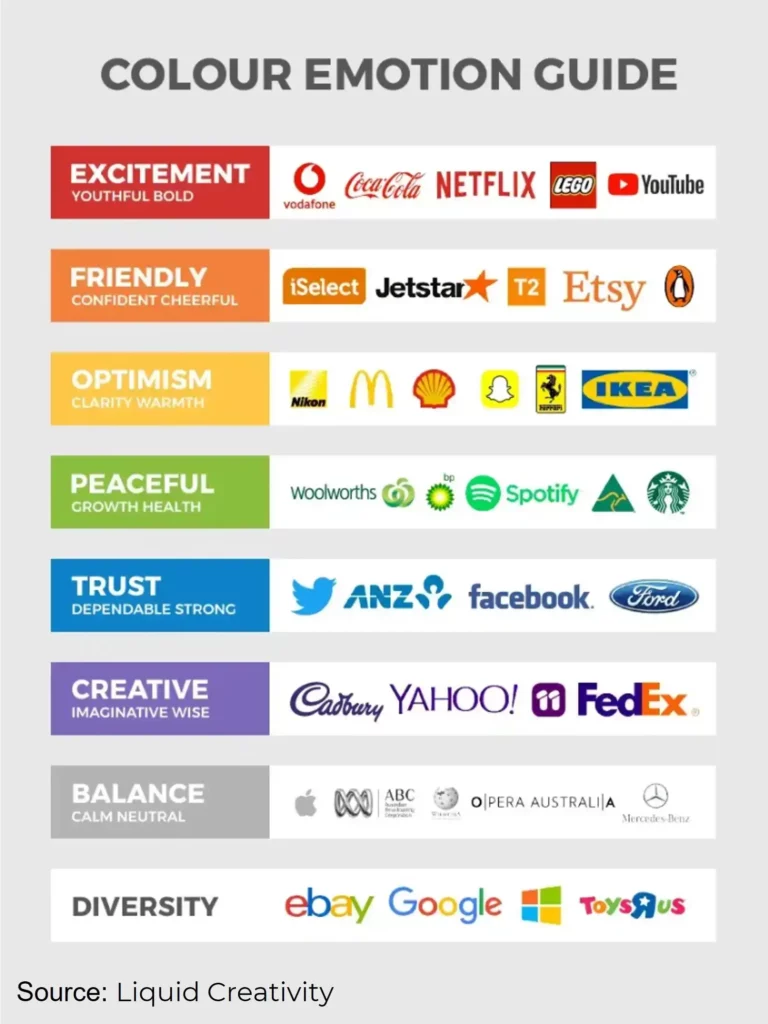
But what you really need is something clean and clear that tells people what you do.
If you don’t know how to get the ball rolling, you can start with the name.
Pick something that actually says what your service is. Like “Mike’s Lawn Care” or “Northside Window Cleaning”.
Then make a quick logo on a design tool like Canva. It’s free and easy.
If things take off, you can always upgrade your branding with professional help.
Just choose a basic font, add a little icon, and call it done.
Next, set up your social media using the same name on every platform.
Facebook is a must. Instagram helps if your work is visual. TikTok works if you’re up for filming things.
Also, use real photos and natural-looking videos when you post.
It could be your tools, your van, or just a before-and-after shot.
It doesn’t have to be perfect. You just make it look real.
Lastly, write a one-liner for your bio. Say what you do, which areas you cover, and why your business is the best choice.
Don’t overthink it. When setting up your branding at the start, you don’t necessarily need to look impressive.
You just need to look trustworthy and easy to reach by people needing home service professionals.
Step 4 – Price your services right so you actually make money
Most business owners undercharge when they start.
They think lower prices will get more bookings.
Then, it backfires.
Even big companies can mess this up.
Take for example the Spirit Airlines which filed for bankruptcy in November 2024.
They were known for being super cheap, but rising costs and tough competition made it impossible to keep going.
In some cases, undercutting just makes people wonder what’s wrong with your work.
It can also trap you in a cycle where you’re working hard but barely earning.
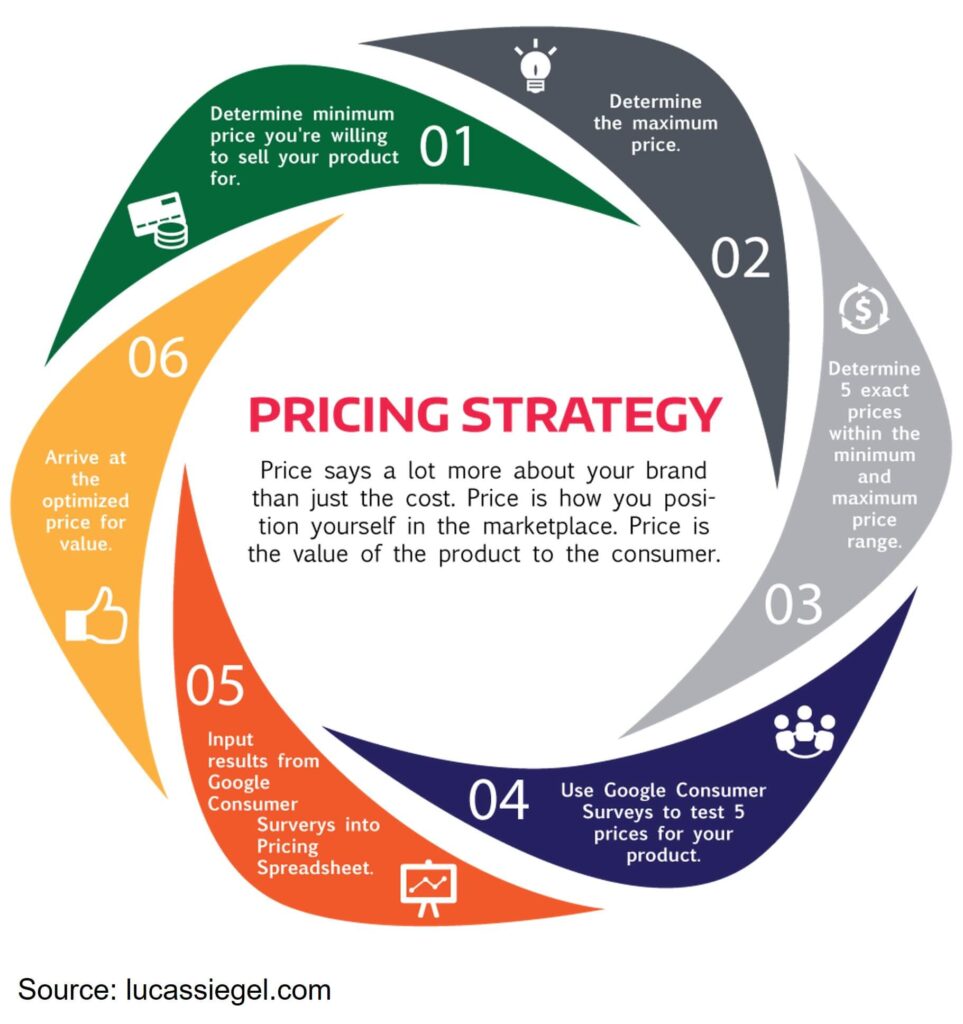
The trick is to charge fairly to cover your time, your tools, and your effort.
Though there’s no single way to set your rates, but you’ve got options.
Start with the basics.
Add up your costs like fuel, gear, supplies, and time. Then add a bit on top.
That’s called cost-plus pricing. It’s easy, but it doesn’t always match what people are happy to pay.
That’s where value-based pricing comes in.
You charge based on what the job is worth to the customer, not just what it costs you.
It usually makes more money, but most small businesses skip it.
Another way is competitive pricing, which involves seeing what others charge and staying in the same ballpark.
It keeps you in the game, but be careful.
If you go too low, you’ll end up in a race to the bottom.
One trick that helps with perception is psychological pricing.
For example, $99 feels cheaper than $100, even though it’s basically the same.
It’s a small change that can make a big difference.
If you want to give people a reason to book more, try bundling.
Offer two or three additional services together for a slightly lower price than if they booked each one on its own.
It’s easier for them and better for your income.
You can also use peak and off-peak pricing.
Charge more when demand is high, like on weekends or right before holidays.
Then, lower prices during slower times.
That way, you spread out your jobs and don’t burn out.
And if you’re confident with tech, look into dynamic pricing.
This means adjusting your rates based on things like how busy you are, what competitors are charging, or even the weather.
It’s flexible and can boost your earnings without annoying customers.
Whatever home improvement marketing strategy you use, keep reviewing it.
Your costs will change. Your demand will shift. Your market will evolve.
The goal is simple. Charge in a way that keeps your business healthy and your time respected.
Step 5 – Get your first customers without blowing your budget
You don’t need to spend loads to get started.
Start with people you already know.
Ask friends and family if they know potential customers who need what you offer.
It makes promoting services feel natural.
Don’t be shy. They’re often your first line of support.
Jump into local Facebook groups and actually join the conversation.
But, instead of going straight to pitching your service, be useful instead. Answer questions and share tips when you can.
Once people see you’re helpful, they’ll pay attention when you talk about what you do.
You can also print a few flyers and leave them where locals hang out.
Drop some of them off at the community centres, laundromats, corner shops, and cafés.
You can also set up a free profile on Google Business and Yelp profile.
For example, if you’re based in Chicago, these local home services marketing options can help you reach the right crowd without spending too much.
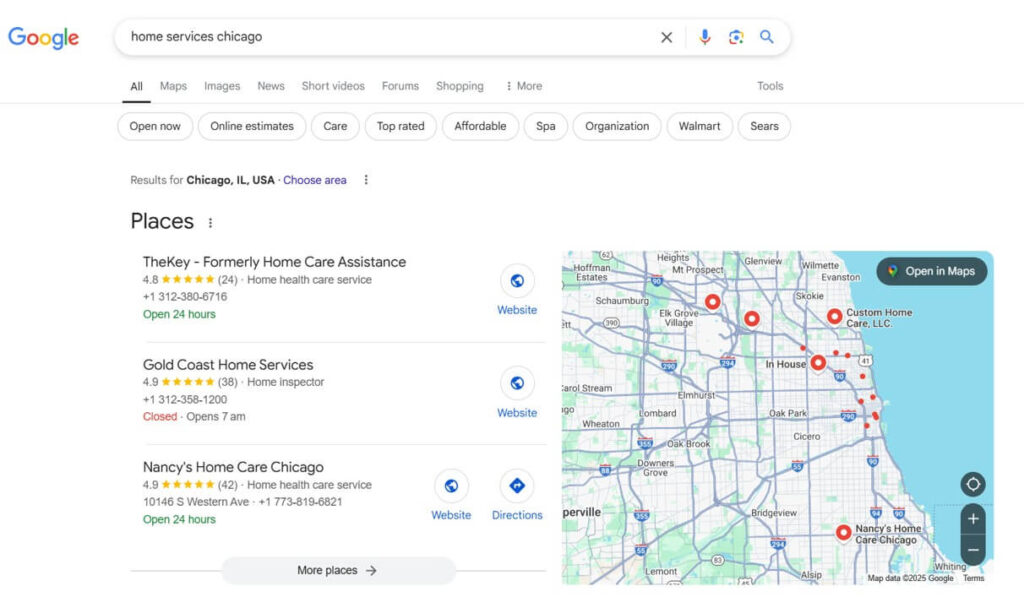
Add a couple of photos, your contact info, and when you’re open.
That way, you show up when someone nearby searches for what you do.
When you’re starting out, you might not have the money to run ads yet. You can run them later, but early on, your money usually goes further in other places.
You can also hire a home services marketing consultant to help you reach your target audience.
Stick to the free stuff that helps people trust you.
Step 6 – Turn every job into repeat work
Getting one job is a good start.
But turning that job into five more is what keeps your business alive.
People only come back if they trust you.
So, get the basics right. Start by showing up when you say you will.
Do the job right and don’t vanish once it’s done.
After you finish, send a quick thank-you text.
It takes seconds, but it shows you care.
If what you offer can be done regularly, say so.
Set up a weekly lawn plan or a monthly gutter reminder… whatever fits.
Happy customers will stick around if you make it easy for them.
But here’s where most small businesses mess up.
They get busy and forget the people who already booked them.
No follow-ups. No check-ins. Just silence.
That’s a wasted chance to tap your customer base.
Sometimes, a simple message, a seasonal nudge, or a small offer is all it takes.
If someone liked your work once, they probably want you back.
But they might not remember that on their own.
You’ve got to give them a nudge.
If you’re not sure what to say or when to say it, there are seasonal marketing tips for home services that can help.
You can use holidays, weather changes, or yearly tasks as reminders to reach out.
Step 7 – Grow the smart way once the jobs start piling up
Once you start turning down jobs because you’re too busy, that’s a sign.
Hire someone who can help you keep up without burning out.
Upgrading your tools helps, too, because new gear will save you time and let you take on more work without wrecking yourself.
As your name gets around, raise your rates. Slowly but steadily.
Staying cheap forever just keeps you stuck.
Some people wonder whether to hire or stay solo.
But there will always be pros and cons.
For example, hiring means more potential income.
But it also means managing people, handling payroll, and sorting tax stuff.
Meanwhile, staying solo keeps life simple, but you can only take on so much work alone.
If you’re always overbooked and turning away jobs, it might be time to bring someone in.
Get off the screen and into the game
If you’ve read this far, you’re serious about starting.
But reading won’t get you customers — only doing the work will.
You don’t need a big launch or a perfect setup.
You just need a name, a phone number, and a service people understand and actually want.
Print a flyer. Message a friend. Knock on one door if you have to.
Your first client isn’t months away. They’re probably five blocks from your house.
In this line of work, doing is what gets you noticed.
So get moving. See what happens. Adjust as you go.
Remember, no one figures it all out on the first try.
The sooner you start, the faster it becomes real.
And once jobs start coming in, start thinking about marketing.
You can’t scale a successful business without it.
Whether it’s building a website, collecting reviews, or learning how to show up on Google, a home services marketing agency can also help you learn what takes you from busy to booked solid.
Start small, get steady, then scale like you mean it.